


Ligurian pasta comes in different shapes and recipes and goes well with different sauces, including the ever-present Pesto Genovese. Discover them with us!
Today we are going to tell you about some Ligurian pasta formats, all of which are absolutely “friends” of Pesto Fresco Genovese.
We will talk about Ligurian pasta in several articles, because there are so many formats and all of them are very good.
Ligurian pasta: Tagliolino and Fidelino
Let’s start with Tagliolino, which probably represents the longest and most popularLigurian pasta format among the Genoese.
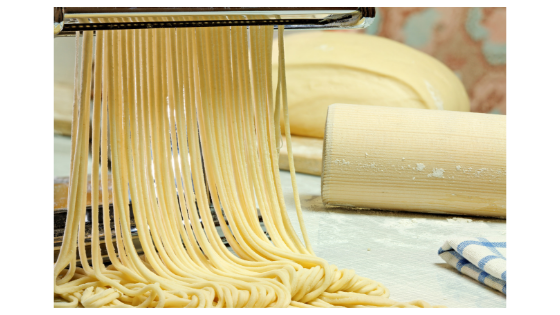
Tagliolini are very long strips of white pasta wrapped into a skein.
Traditionally they are seasoned with “tocco,” tuccu in Genovese, the Ligurian meat sauce, or with the delicious and highly fragrant Pesto Genovese.
The super thin version of noodles is called Fidelino, which is often eaten in broth.
According to an old recipe, Fidelini are delicious cooked in broth with whitebait.
Ligurian pasta: the Trenetta
The pasta that traditionally goes with Pesto Genovese in Liguria is Trenetta, which is like a long flattened spaghetti with a rectangular cross-section and medium thickness.
Do you know why they are called Trenette? Because in dialect trenna means string and it actually resembles it. Trenette in Genoa are cooked with pesto, potatoes and green beans and this version is called “advantaged. “ To be truly “advantaged,” poor flours, such as whole wheat flour and chestnut flour, must be added to the dough.
Ligurian pasta: the Mandilli de Sea
From the Arabic mandil, Mandilli de Sea are “silk handkerchiefs,” which are very thin square lasagnas about six inches on each side.
Because of their fragility, they are quite rare to find today, as they should be served a few at a time, freshly drained and dressed with Pesto Genovese: a Mandillo de Sea and some Pesto Genovese for up to three layers.
Ligurian pasta: the Picagge
Less thin than Mandilli de Sea and with a different shape, but made with the same ingredients, are Picagge.
They are large noodles about 3 cm wide , in fact in dialect Picagge means fettucce.
Very popular is the version of green picagge, which is made by adding boiled borage into the dough, and traditionally they are seasoned with touch.
Well Friends of Pesto Fresco, soon we will tell you about the other typical Ligurian pasta formats, so that you can recognize them, choose them at restaurants or buy them to dress them with our beloved Genoese Pesto.
By the way, if you do not live in Loano or the surrounding area, you can buy our Pesto Fresco Genovese or in the garlic-free version on our ecommerce www.pestofresco.eu